Travel journal
Veuve Clicquot
29 July 2024
Day 3: Monday, July 29th, 2024
We started the day early, excited to continue our road trip. Our first stop was to pick up our dogs, who would be joining us on our journey. Once the dogs were settled in our camper van, Bandit, we drove to the port of Dover.
The white cliffs of Dover looked stunning in the morning sunlight. We arrived at the ferry terminal with plenty of time and drove onto the ferry heading to Calais, France. On the ferry, we stood on deck, enjoying the fresh sea air. We watched boats escorting swimmers in the English Channel, which reminded us of the time when Bryan swam across the Channel in 2013. It was a proud and nostalgic moment for us.
After reaching Calais, we drove off the ferry and headed towards Reims, France. The drive was pleasant, and we were looking forward to visiting Veuve Clicquot, a famous champagne house, in the centre of Reims.
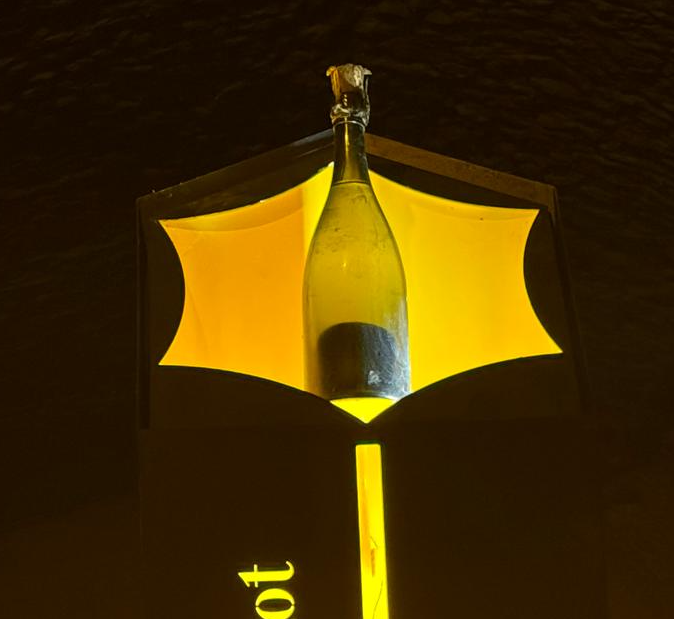
We arrived at Veuve Clicquot at 4 PM. It was surprising to find the champagne house right in the busy city, and we wondered how we would explore the cellars. But this added a sense of mystery to our visit.
Veuve Clicquot has a long history, dating back to 1772. It became famous under Madame Clicquot, who made many innovations in champagne-making. We started our tour by going down into the cellar vaults. The cellars were cool and dimly lit, perfect for storing champagne. The walls were lined with bottles, and our guide told us interesting stories about the history of the brand and Madame Clicquot's innovations.
The cellars were amazing to explore, with their high ceilings and intricate carvings. The atmosphere was quiet, with only the soft echo of our footsteps. Our guide explained how the process of riddling, or turning bottles, helps clarify the champagne.
During our tasting session, we tried two rosé champagnes: one from this year and one vintage. Rosé champagne is made by blending still red wine with white champagne, which gives it a pink colour and adds complexity. Even though we tried hard, we couldn't taste much difference between the two. Both were fresh and had notes of red fruits like strawberry and raspberry.
After the tour and tasting, we left Veuve Clicquot with a better understanding of how champagne is made. We continued our drive into Luxembourg, known for its beautiful forests and castles. In Luxembourg City, we enjoyed the views from the Chemin de la Corniche, often called "Europe's most beautiful balcony."
We spent the evening at a local bistro, trying traditional dishes like Judd mat Gaardebounen (smoked pork with broad beans). As we ate, we thought about the day's adventures and the exciting journey ahead.
Finally, we found a nice spot to park Bandit and camp for the night, falling asleep under the stars, ready for more adventures on our European road trip.