Travel journal
Kings, Saints and Cobbled Streets
11 July 2026
Finding the Heart of Rouen
Some places leave you with a camera full of photographs.
Rouen left me with something much harder to explain.
I expected a pretty French city, somewhere to wander for a few hours before climbing back into Bandit and continuing our journey south. What I hadn’t expected was to spend the day quietly reflecting on courage, sacrifice and the strange way history can suddenly stop feeling like history at all.
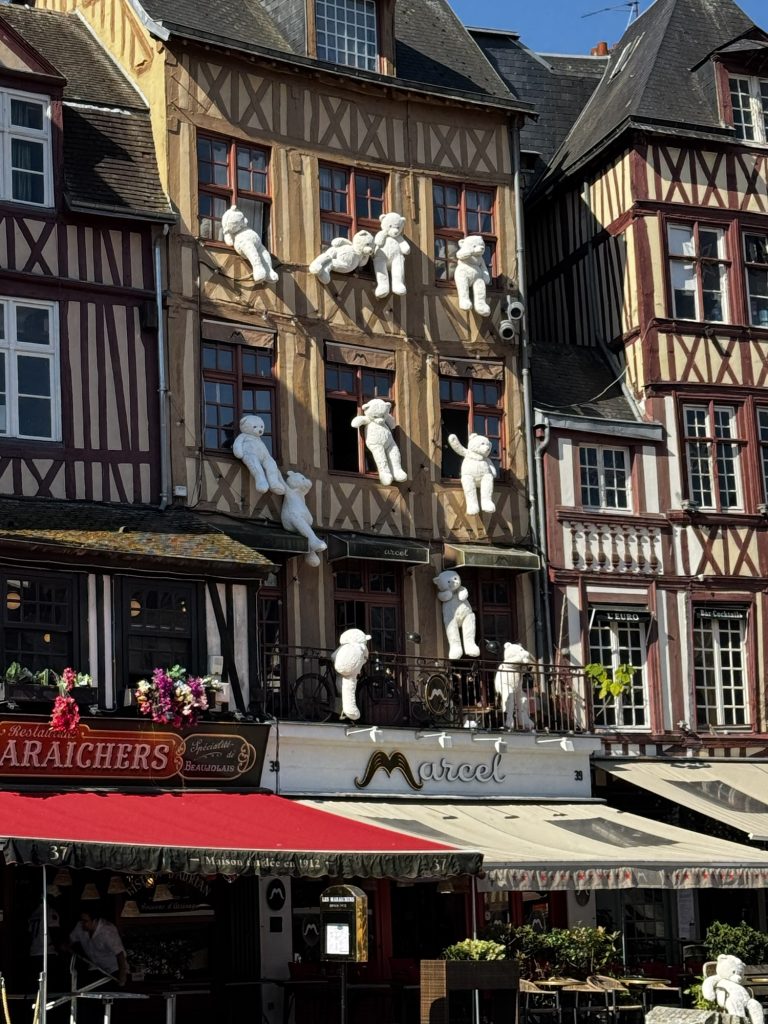
Dana and I wandered into the old town with no particular plan, which is usually how we discover the best places. The streets seemed almost reluctant to reveal themselves all at once. Narrow cobbled lanes twisted between beautiful half-timbered houses, their wooden frames leaning at impossible angles as though centuries of gossip had caused them to huddle together. Every corner offered another inviting café, another flower-filled window or another excuse to stop and simply look around.
It felt timeless.
Then we stepped inside Rouen Cathedral.
Photographs really don’t prepare you for it.
The soaring stone columns seemed to disappear into the ceiling, while shafts of sunlight drifted through the stained-glass windows and painted colours across the ancient floor. There was a stillness inside that made everyone instinctively speak more quietly.
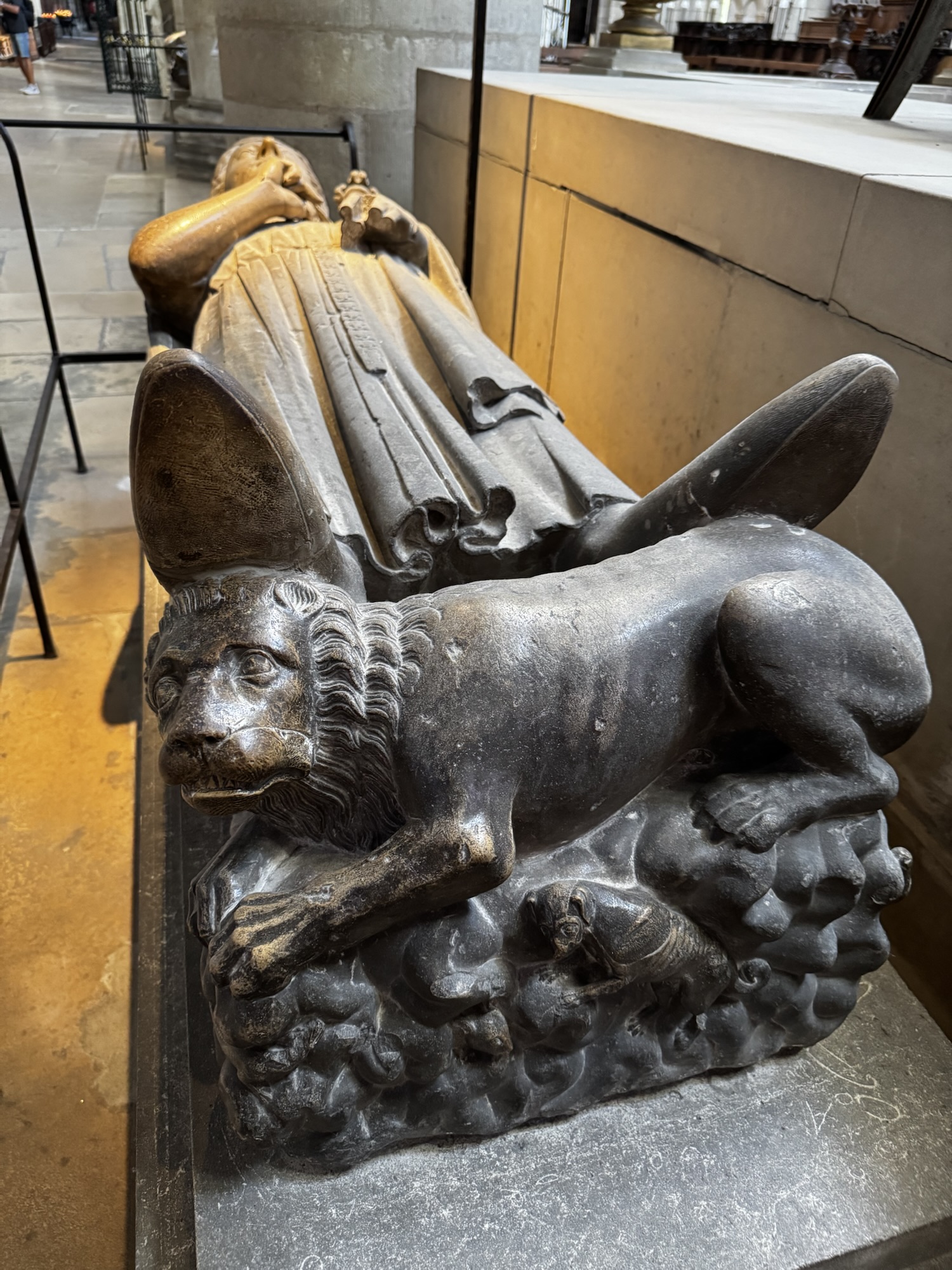
I knew that somewhere inside rested the heart of Richard the Lionheart, but standing in front of it felt completely different to reading about it.
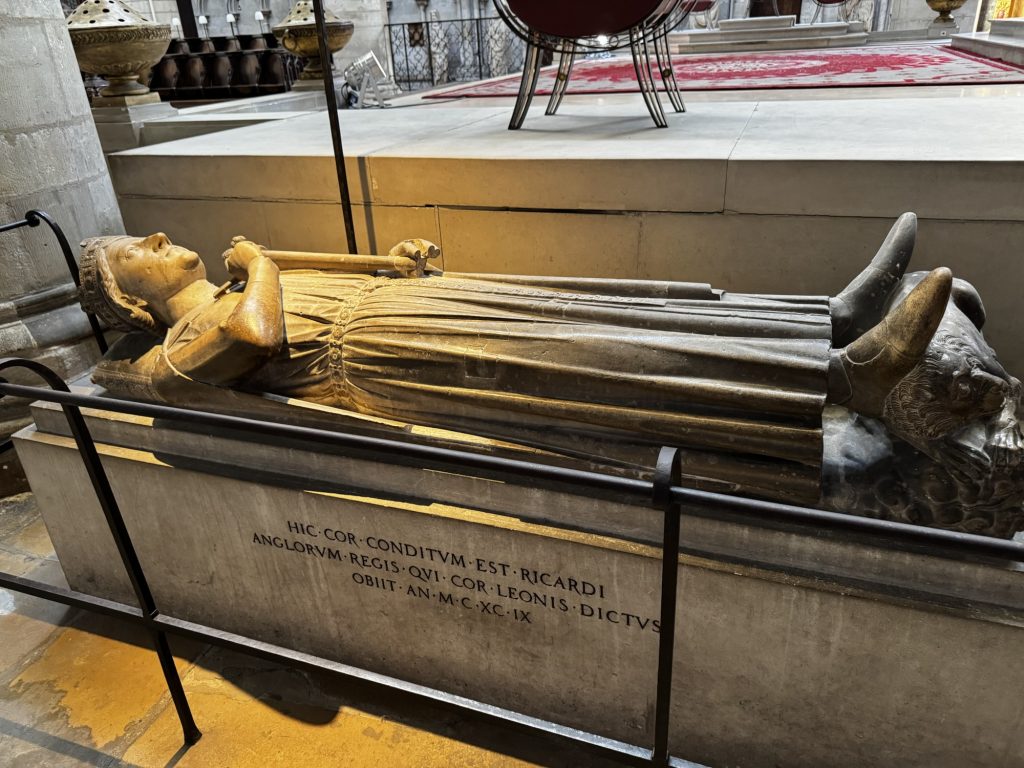
Richard was one of England’s greatest warrior kings. He earned the name Lionheart through extraordinary bravery during the Third Crusade, becoming one of the most respected military commanders of his age. Yet despite being King of England, he spent remarkably little time there. Normandy was just as much his home.
When he died after being struck by a crossbow bolt in 1199, his body was divided according to medieval tradition. His body lies elsewhere. His entrails remained near the place where he died.
His heart came here.
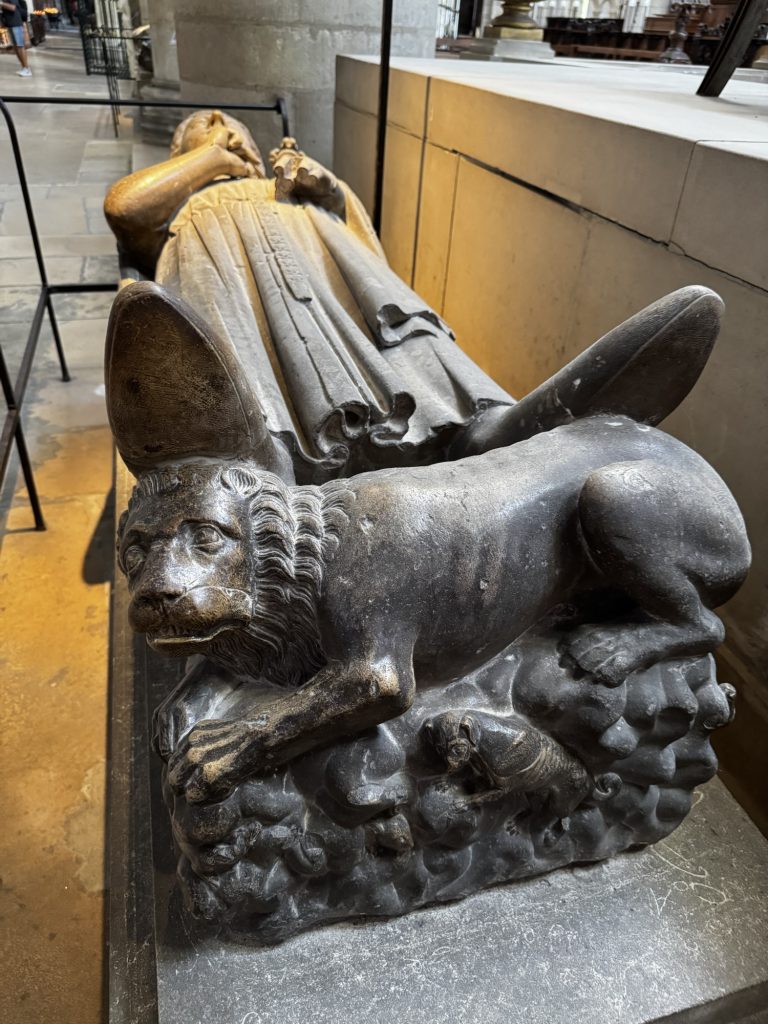
I found myself standing there much longer than I’d expected.
There was something deeply human about it.
For all the stories of battles, castles and crusades, what remained wasn’t his crown or his sword.
It was his heart.
Standing there, I couldn’t help wondering what mattered most to him in those final moments. Not the legend history would create, but the man himself.
It’s funny how places do that. They quietly ask questions you weren’t expecting.
Leaving the cathedral, the city somehow felt different. The cafés were still busy, church bells still echoed across the rooftops and tourists wandered happily through the streets, but now I couldn’t stop thinking about the generations of people who had walked these same stones long before us.
Eventually we reached Place du Vieux-Marché.
If I hadn’t known its history, I’d have happily sat there all afternoon with a coffee.
It’s peaceful.
People laugh.
Children run across the square.
Life carries on.
Yet this is where Jeanne d’Arc was burned alive.
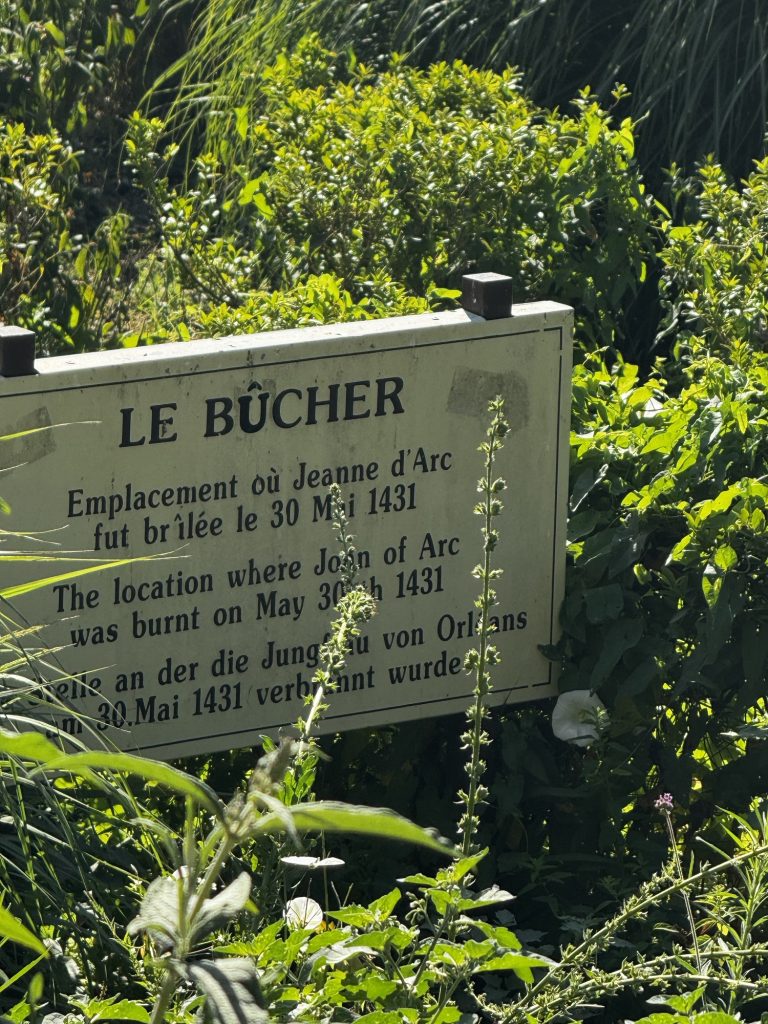
I’ve read her story before, but standing where it actually happened was something else entirely.
She was just nineteen.
That thought refused to leave me.
Nineteen.
At an age when most of us are still trying to work out who we are, she believed so completely in what she had been called to do that she stood before kings, inspired armies and changed the course of a nation.
She was a farmer’s daughter who couldn’t read or write, yet somehow persuaded an entire army to follow her.
Captured by England’s allies, she was brought to Rouen and put on trial. Officially it was about religion.
In reality, it was politics.
She had become too powerful as a symbol.
The accusations now seem almost impossible to comprehend. Hearing the voices of saints. Wearing men’s clothing while imprisoned. Refusing to deny what she believed God had asked her to do.
The outcome had been decided long before the trial began.
As I stood there in the square, surrounded by cafés and smiling faces, I found it difficult to reconcile the place with what had happened here.
An English soldier, moved by compassion, is said to have made her a simple wooden cross from two sticks before the fire was lit. Even amidst all that hatred, there was still room for kindness.
That detail stayed with me more than anything else.
Perhaps because it reminds us that even during humanity’s darkest moments, someone can still choose compassion.
Twenty-five years later the Church admitted the trial had been unjust.
Nearly five hundred years after that, Joan was made a saint.
History eventually corrected itself.
Sadly, it couldn’t give her those lost nineteen years back.
As Dana and I wandered back towards the campervan, we didn’t fill the silence with conversation.
We didn’t need to.
Some places naturally encourage you to think rather than speak.
I realised that Rouen hadn’t simply shown us beautiful buildings or fascinating history. It had quietly reminded me that history is never really about dates or battles. It’s about ordinary people who found themselves in extraordinary circumstances.
A king whose heart still rests hundreds of miles from where he wore his crown.
A young woman who remained true to her beliefs even when it cost her everything.
And two travellers from England, walking hand in hand through the same streets centuries later, trying to understand both.
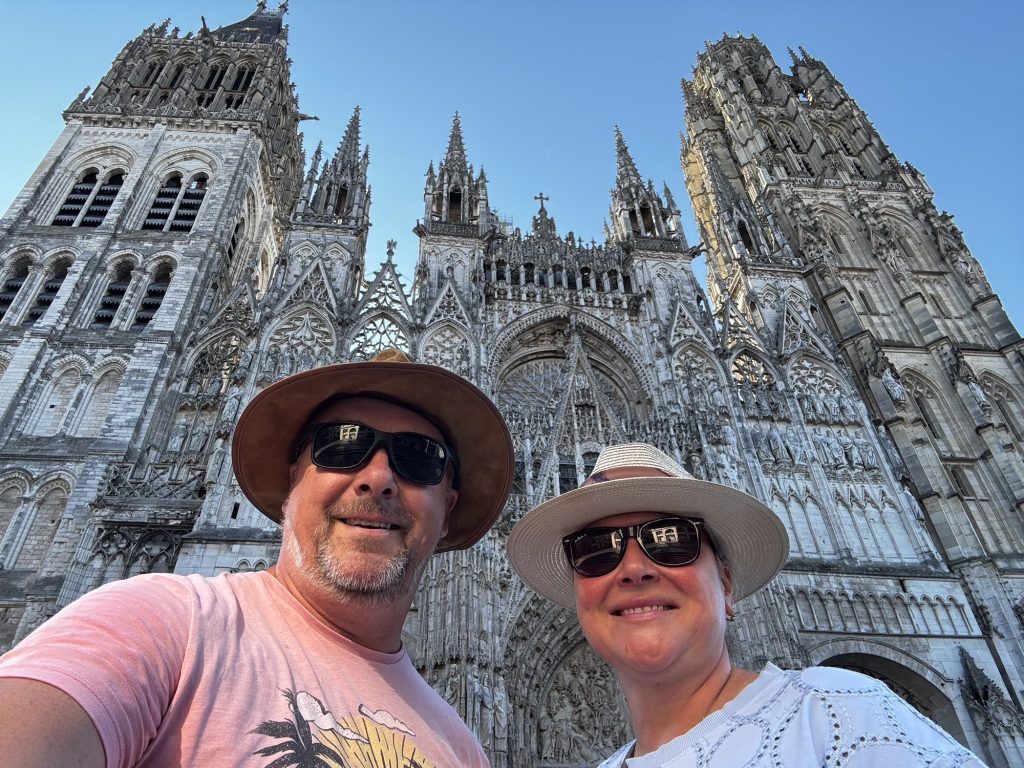
I climbed back into Bandit that afternoon feeling strangely grateful.
Not just for another place ticked off a map, but for a city that had gently reminded me how precious courage, conviction and compassion really are.
Some cities are beautiful.
Rouen reaches your heart.