Travel journal
A Day of Reflection at Terezín Concentration Camp
10 August 2024
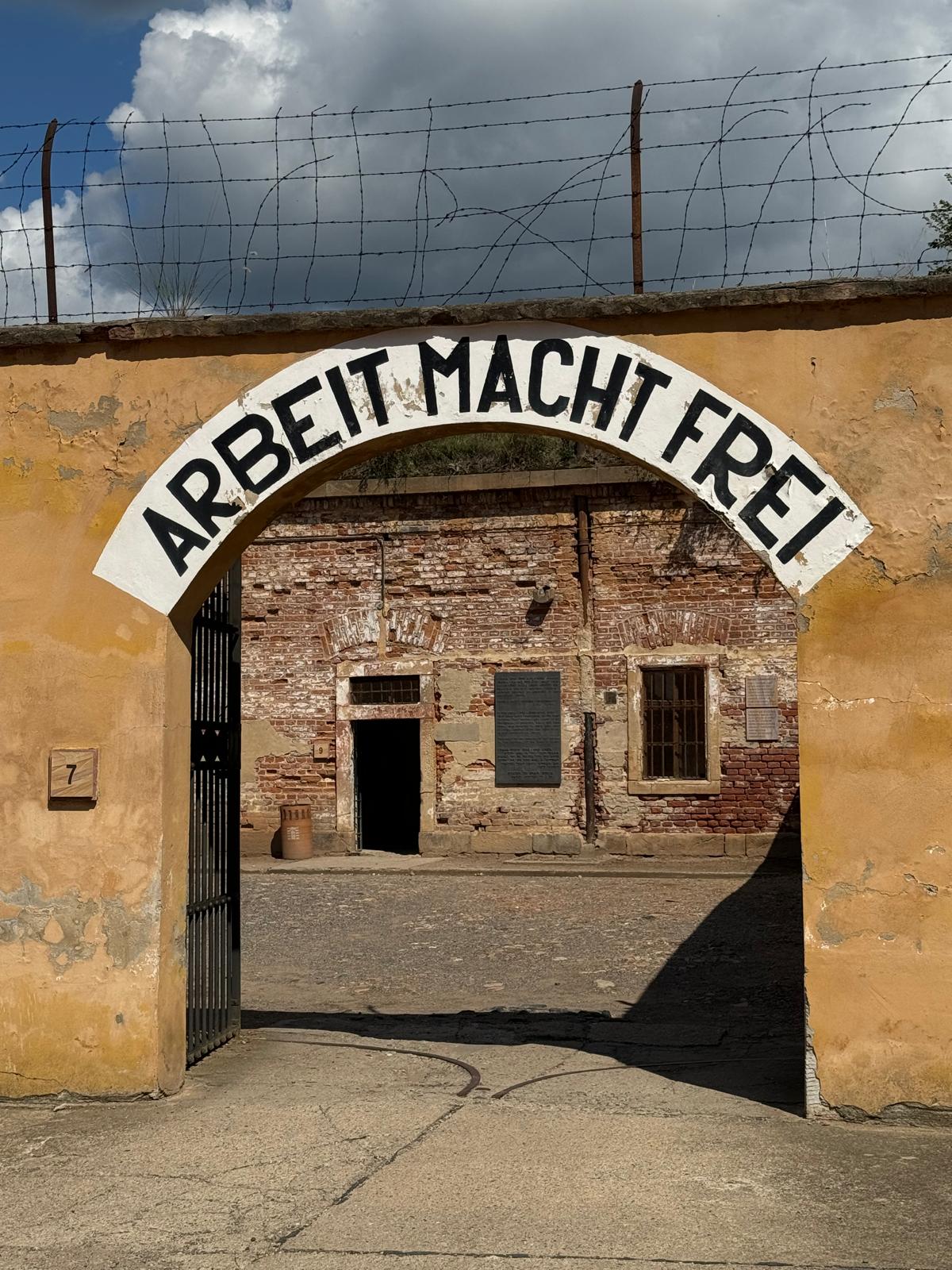
we embarked on a sobering journey through the pages of history, visiting the Terezín concentration camp, specifically the Small Fortress. Originally constructed in the late 18th century by Emperor Joseph II of the Habsburg Monarchy, the fortress was part of a defensive network designed to protect the empire from the advances of Prussian forces. Positioned strategically at the confluence of the Ohře and Elbe rivers, Terezín was intended to be a bulwark against invaders, safeguarding the route to Prague. However, it is not the fortress's initial military purpose that has etched Terezín into history, but rather its role as a Nazi concentration camp during World War II.
Arrival at the Small Fortress
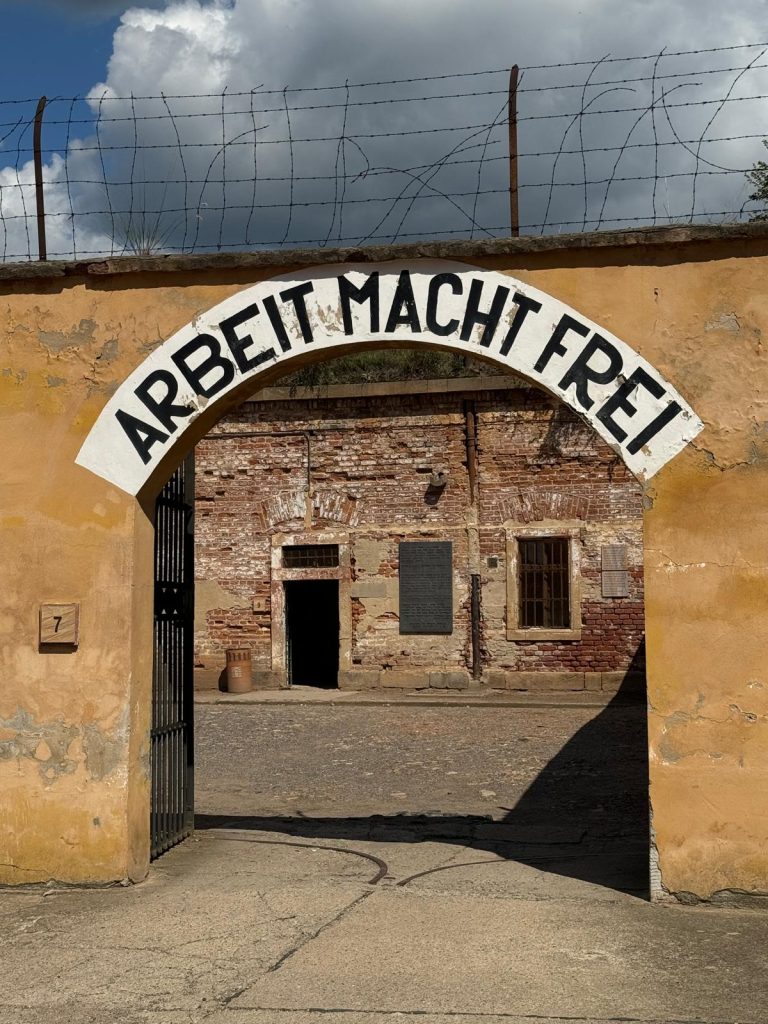
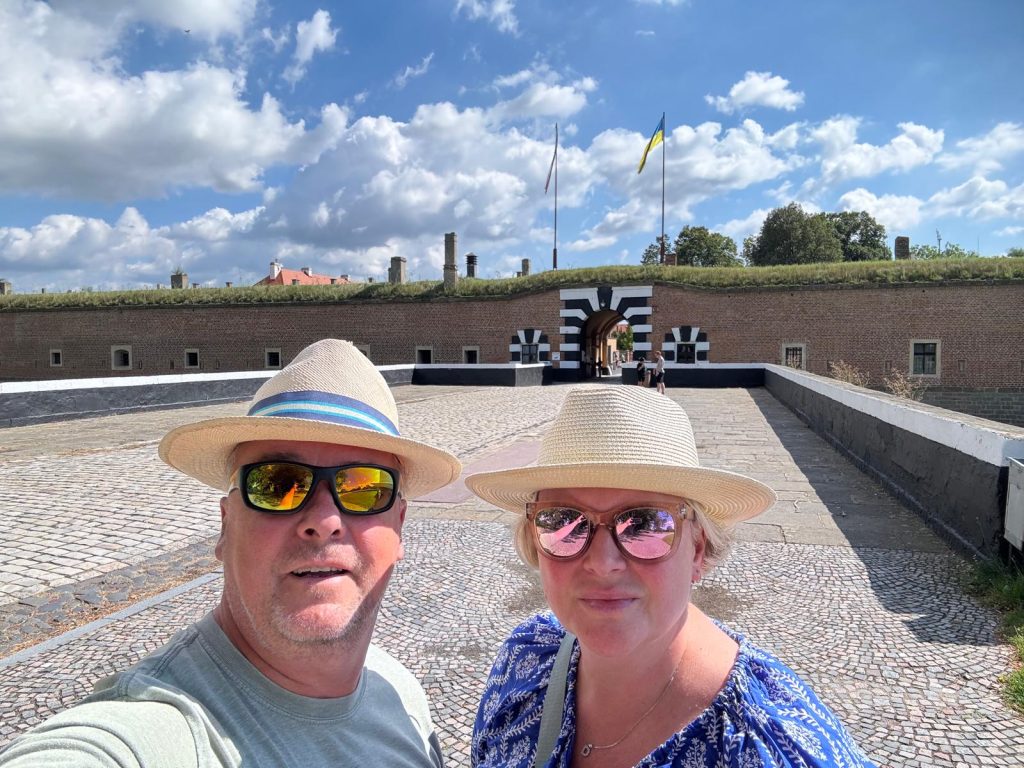
Our visit began with a walk up to the Small Fortress, along an avenue of trees that led us to the imposing main gate, which stands guard over a deep, foreboding moat. The serene setting, with its orderly trees and quiet surroundings, starkly contrasted with the grim history of the place. As we crossed the threshold into the fortress, we could sense the weight of the atrocities committed within these walls.
We opted for the English tour, a 90-minute exploration of the fortress that focused on the brutal conditions endured by the prisoners held here during the war. The tour delved into the severe overcrowding, the harsh treatment of political prisoners, and the appalling living conditions that were exacerbated by the war. The tour, however, did not touch upon the creative resistance of the prisoners, such as the theatre performances and artistic endeavours that some engaged in as a means of preserving their humanity in the face of unimaginable hardship.
The Commandants of Terezín: A Legacy of Cruelty
During its time as a concentration camp, the Small Fortress was overseen by several notorious German officers, the most infamous being SS-Hauptsturmführer Heinrich Jöckel. Jöckel was known for his brutality and was directly responsible for the inhumane conditions and treatment that the prisoners endured. After the war, Jöckel and other officers were arrested and brought to trial for their war crimes. In 1946, Jöckel was executed by hanging, along with several others, as justice was served for the horrors they inflicted upon the prisoners of Terezín.
The Red Cross Visit: A Facade of Humanity
In a cynical attempt to deceive the international community, the Nazis orchestrated a propaganda visit by the Red Cross to Terezín. To create the illusion of humane treatment, they constructed washrooms and other facilities that were never actually used by the prisoners. These washrooms were part of a staged effort to show the world that the prisoners were being treated well, when in reality, they continued to suffer under horrific conditions.
Gavrilo Princip and the Assassination That Shook the World
One of the most historically significant figures to have been imprisoned in the Small Fortress was Gavrilo Princip, the young man whose assassination of Archduke Franz Ferdinand in Sarajevo in 1914 triggered the events that led to World War I. Princip, along with other conspirators involved in the assassination, was held in the Small Fortress. The conditions of his imprisonment were so harsh that four of the conspirators, including Princip, eventually died within these walls due to the squalid, marsh-like conditions of the prison cells.
A Descent into Darkness: The Hospital and the Firing Range
As we moved through the fortress, we entered the hospital section, a place where countless prisoners perished due to disease and neglect. The hospital, like much of the camp, was a place of suffering rather than healing, with the lack of medical supplies and overworked staff unable to cope with the dire needs of the prisoners.
From the hospital, we entered a long, dark corridor, stretching 500 metres around the fortress wall. This corridor, with only a few small windows providing glimpses of the outside world, was a chilling reminder of the prisoners' isolation. Walking through this dim passage, we encountered several paths that were closed off, their exits now blocked by iron gates. The corridor eventually led us to the grim site of the camp's firing range.
It was here, towards the end of the war, that the most harrowing events took place. As the Nazi regime began to crumble, the executions at Terezín increased, with many prisoners, particularly those who were seen as threats or too weak to survive, being shot. These killings were part of the Nazis' desperate attempt to eliminate any potential witnesses to their crimes as Allied forces closed in.
A Glimpse into the Lives of the German Soldiers
The tour also took us to the living quarters of the German soldiers stationed at the fortress. The cinema they used, a small, stifling room with no windows, provided a haunting glimpse into their lives. Watching a film in that space, you could almost feel the presence of the wartime soldiers, their daily routines intertwined with the violence and oppression they were a part of.
The Newly Built Prison: A Place of Despair
We then moved on to the newly built prison section, constructed during the war to house even more prisoners. These buildings were designed with a cold efficiency, cramming hundreds of beds into small rooms with only two toilets to serve the entire population. The overcrowding was so severe that many prisoners died from disease, malnutrition, and the overall inhumane conditions. As the war drew to a close and resources became scarcer, the death toll in these newly built prisons rose sharply, with countless lives lost in the final days of the Nazi regime.
A Stark Reminder of the Past
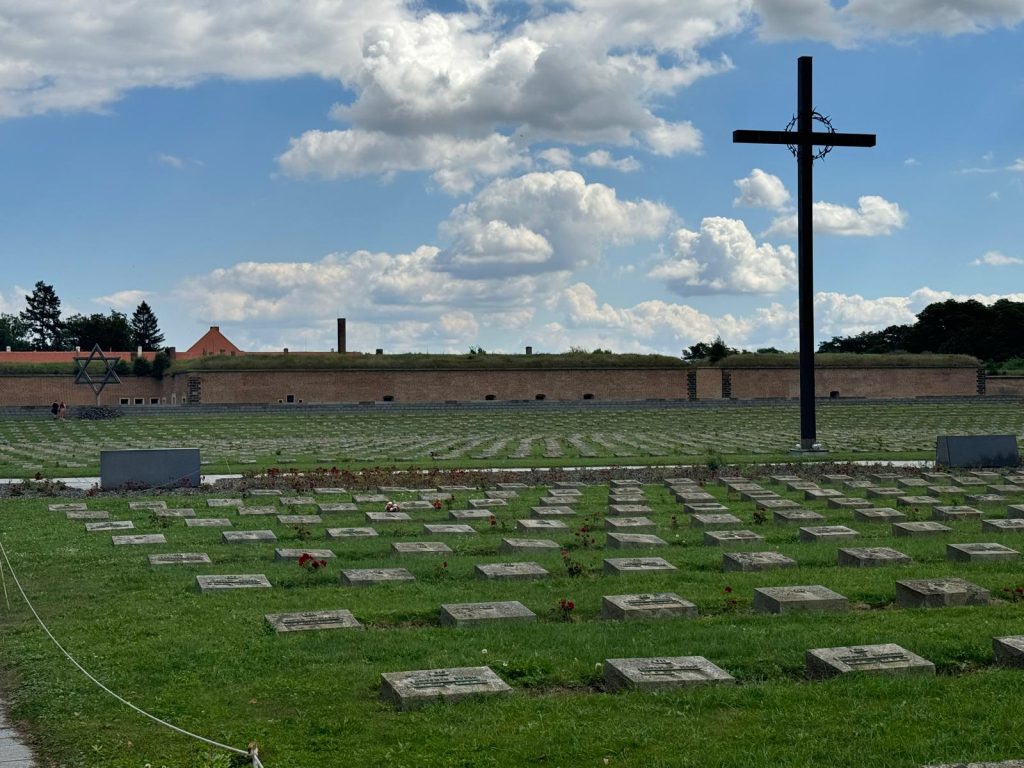
As the tour concluded, we walked through the graveyard adjacent to the fortress. The rows of graves, marked only by numbers, served as a stark and somber reminder of the countless lives lost within Terezín. Each number represented a person, a story cut short by the brutality of war. Walking among the graves, we were reminded of the importance of remembering these stories, ensuring that the horrors of the past are never forgotten.
The tour of Terezín left us with a deep sense of reflection. The Small Fortress, once a symbol of military might, had become a place of immense suffering and death under the Nazi regime. As we walked back towards the entrance, the feeling of freedom that greeted us upon leaving was profound—yet it was tinged with the haunting realization that for those who had once been imprisoned here, such freedom was a distant, unattainable dream.
A Walk Through History: The Final Impressions
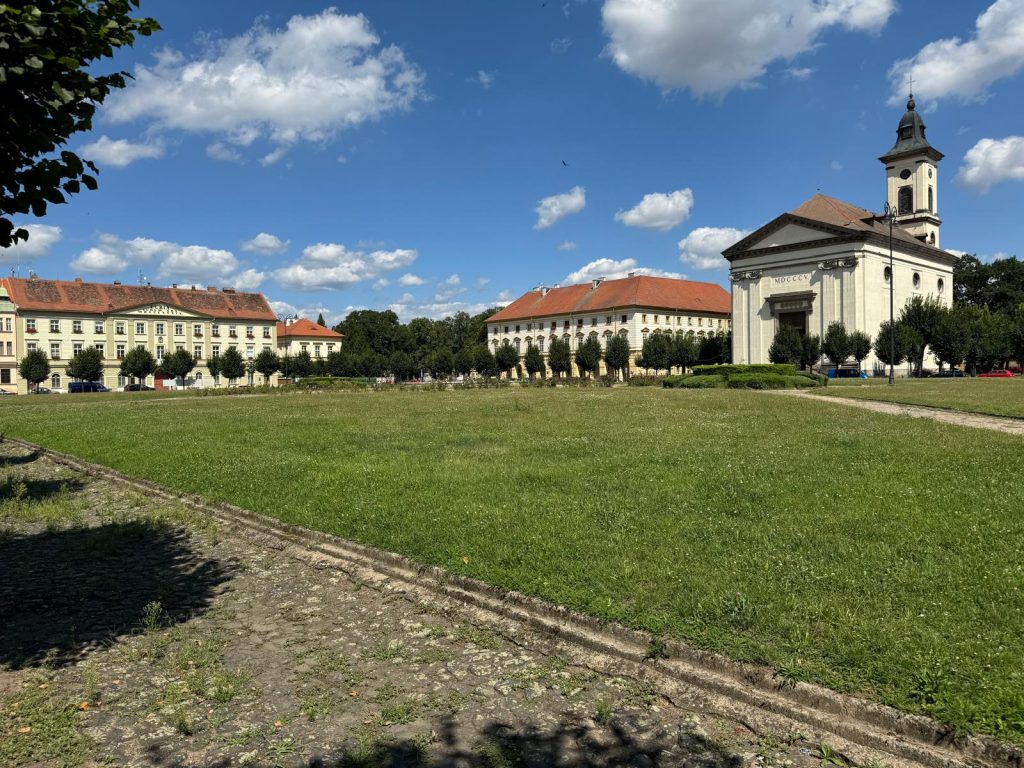
Leaving the fortress, we couldn’t help but think about the layers of history we had just walked through. The fortress, built centuries ago to protect Prague, had been repurposed in one of the most horrific ways imaginable. The quiet town of Terezín, with its tree-lined streets and peaceful appearance, belies the dark past that it holds within its walls. This juxtaposition between the town’s serene present and its violent history is unsettling, yet it’s a reminder of the resilience of the human spirit and the importance of preserving such sites as a testament to those who suffered.
We concluded our visit with a walk through the town of Terezín itself, which, unlike the fortress, seemed almost untouched by time. The streets were quiet, with few signs of the bustling life that once thrived here. The town had once been a garrison town, supporting the fortress and its military needs. During the war, however, it became infamous as a Jewish ghetto, where thousands of Jews were held before being deported to extermination camps. The remnants of this tragic chapter are still visible in parts of the town, serving as a stark reminder of the cruelty inflicted upon so many.
Final Reflections
Our visit to Terezín was a powerful experience, one that left us deeply moved and reflective. It’s a place where history feels palpable, where the past is ever-present in the walls of the fortress and the quiet streets of the town. For anyone interested in understanding the complexities of World War II and the Holocaust, Terezín offers a sobering, yet essential, perspective.
As we left Terezín, we carried with us the weight of the stories we had learned—stories of unimaginable hardship, but also of resilience and the enduring will to survive. It’s a place that challenges you to confront the darkest parts of history, but also one that reminds you of the importance of memory and the necessity of bearing witness to the past.
The graves with their simple numbers, the dark corridors, and the memories of those who once walked these paths remain etched in our minds, a stark reminder of the horrors of war and the strength of the human spirit.